
 English
 简体中文
简体中文 繁體中文
繁體中文
Tianjin Jianno Electronic Equipment
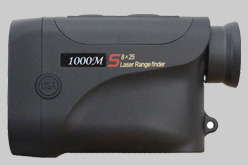
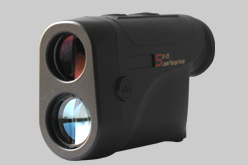
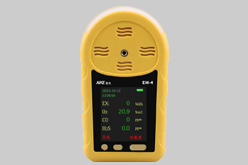
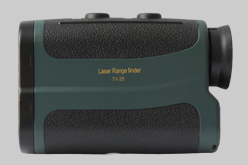
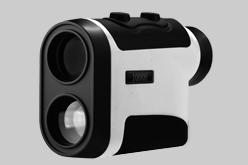
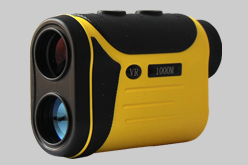
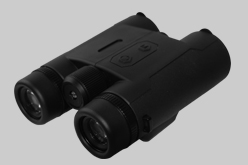

About us
Setting the Standard in Smart Electronic Equipment
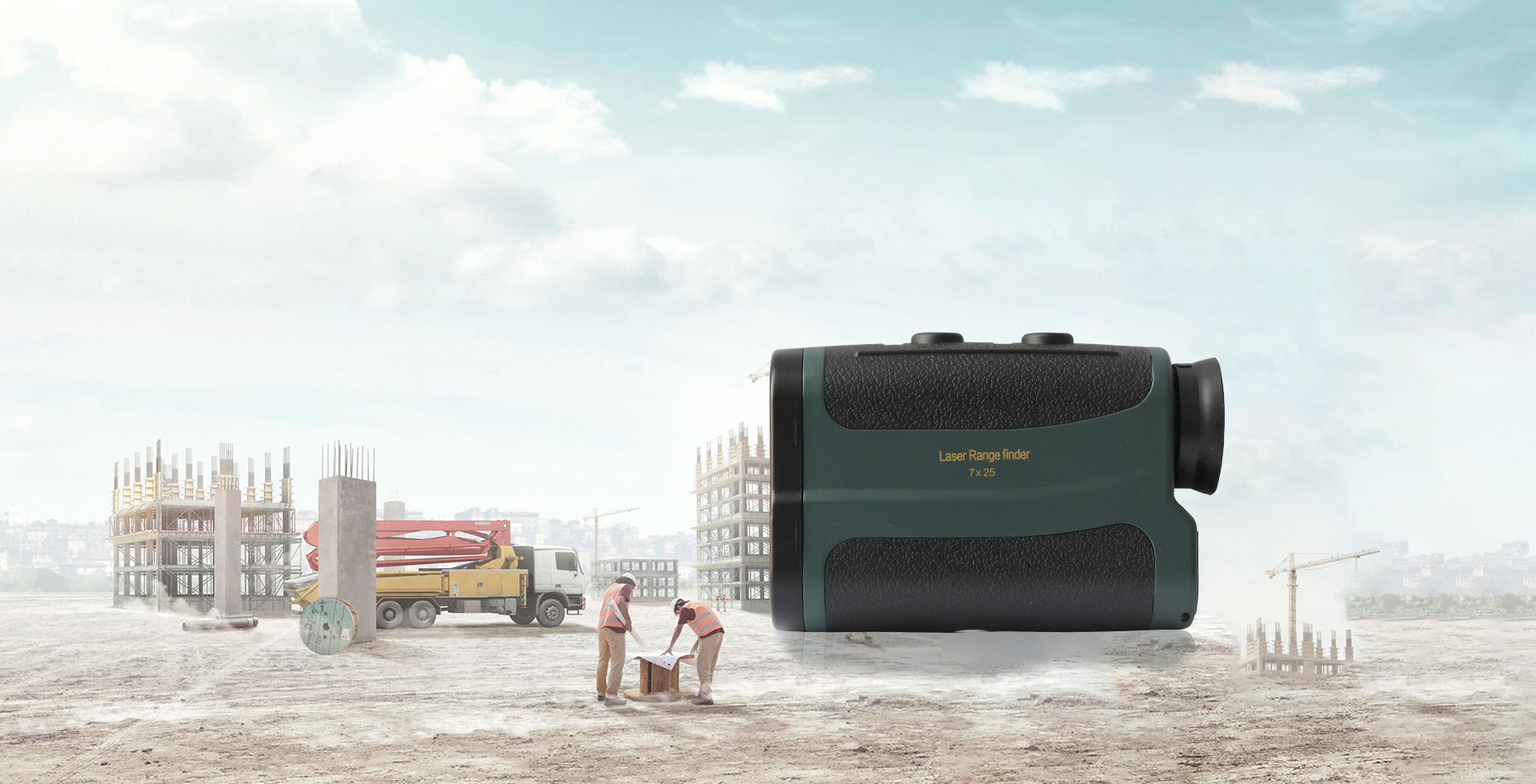
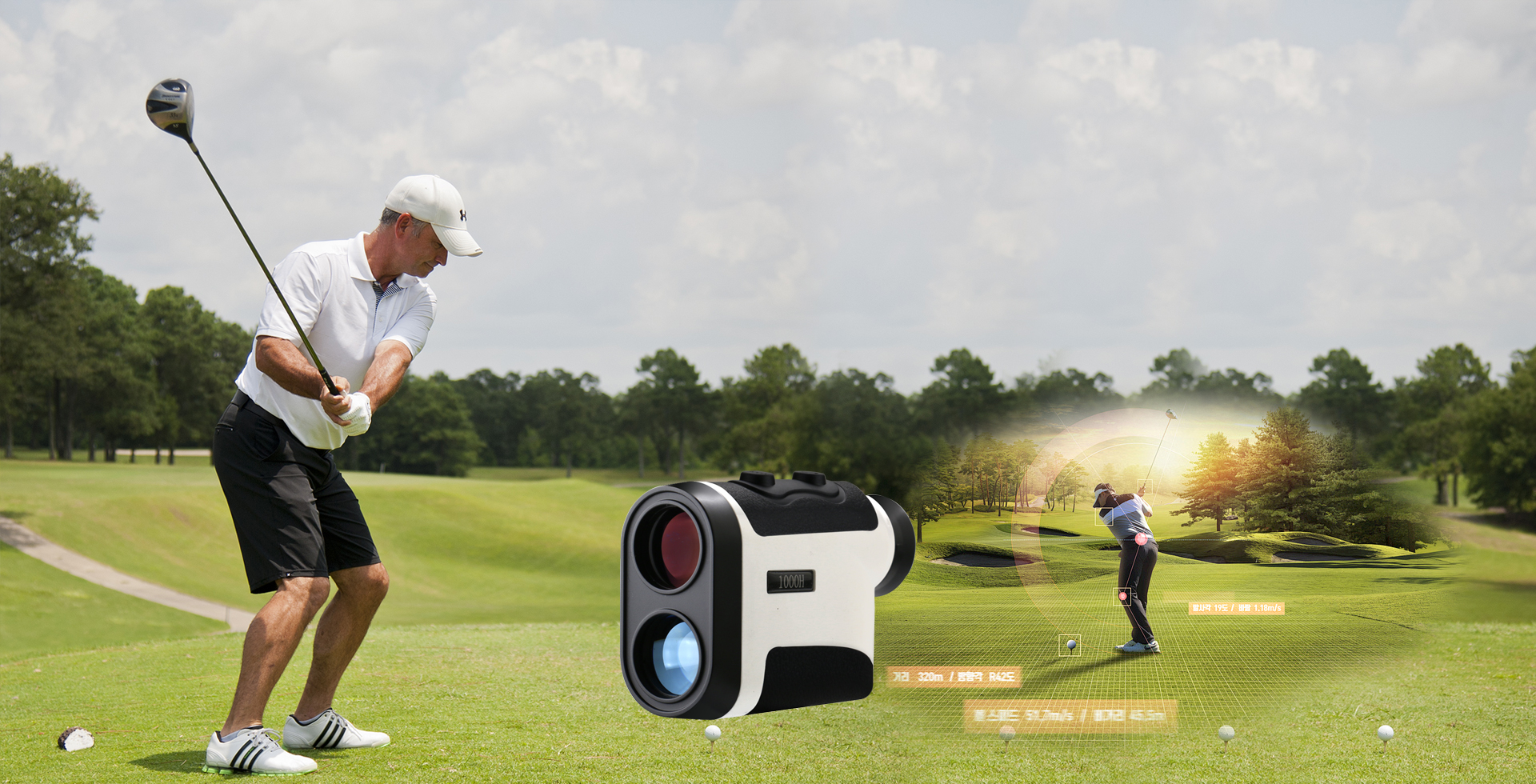
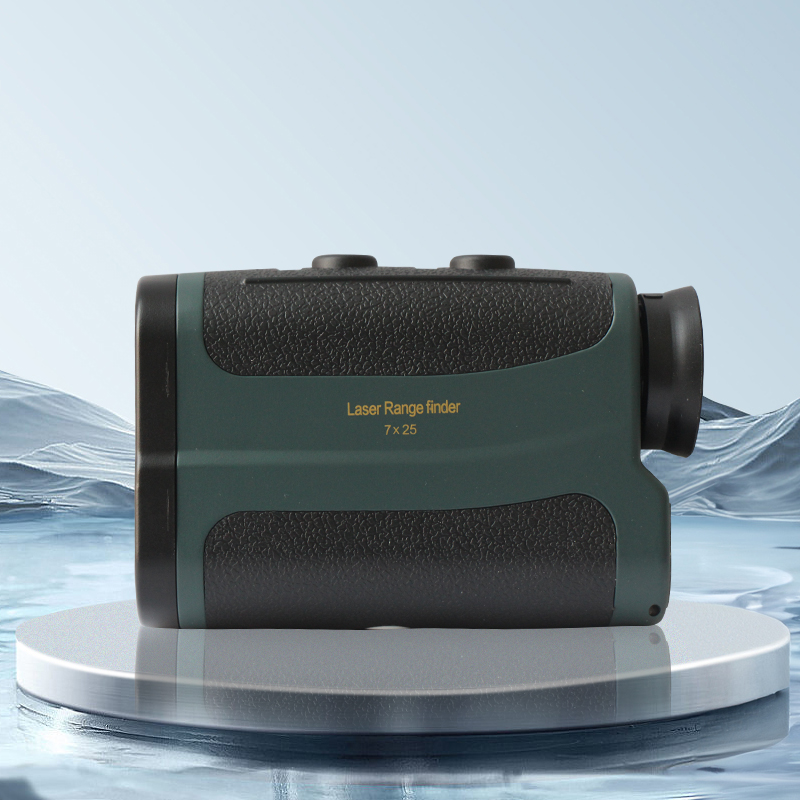
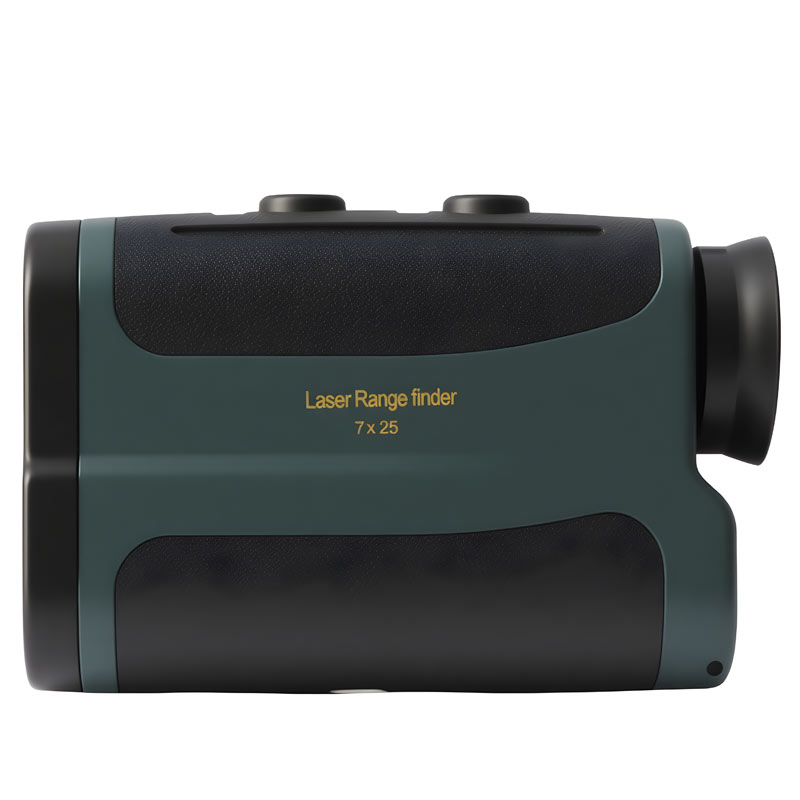
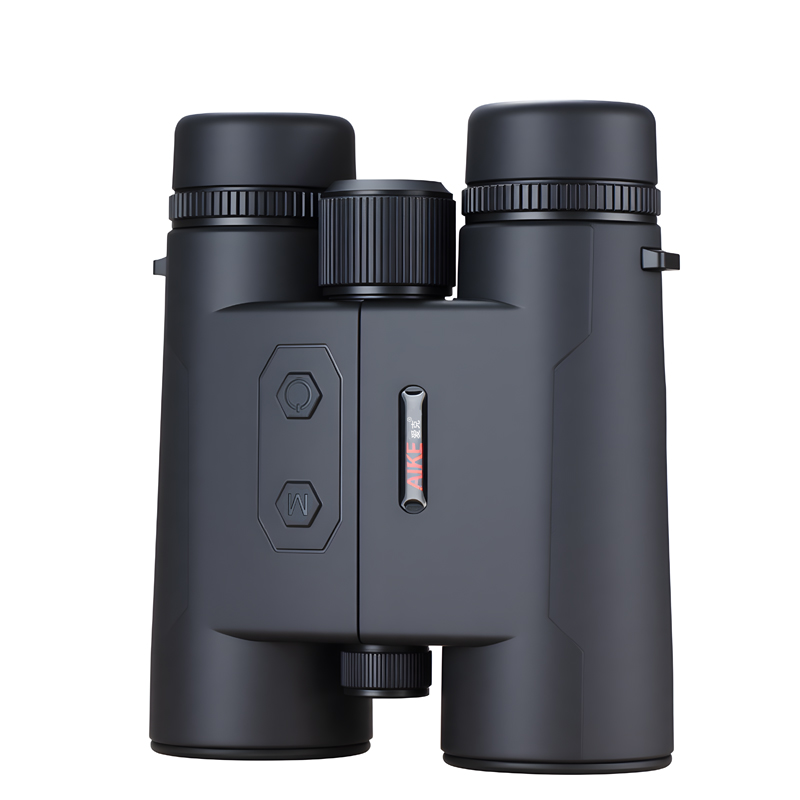
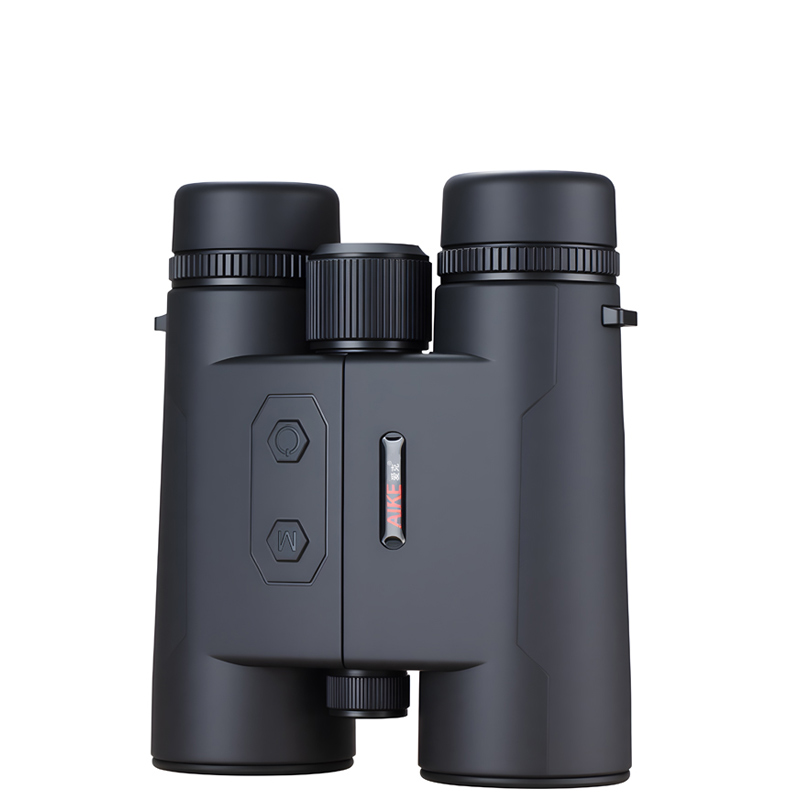
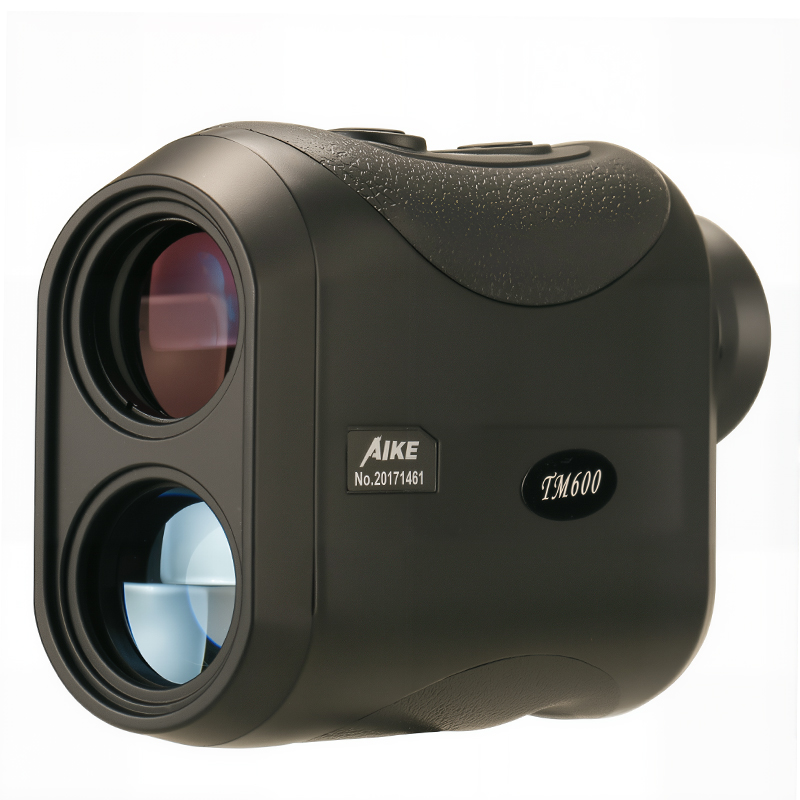
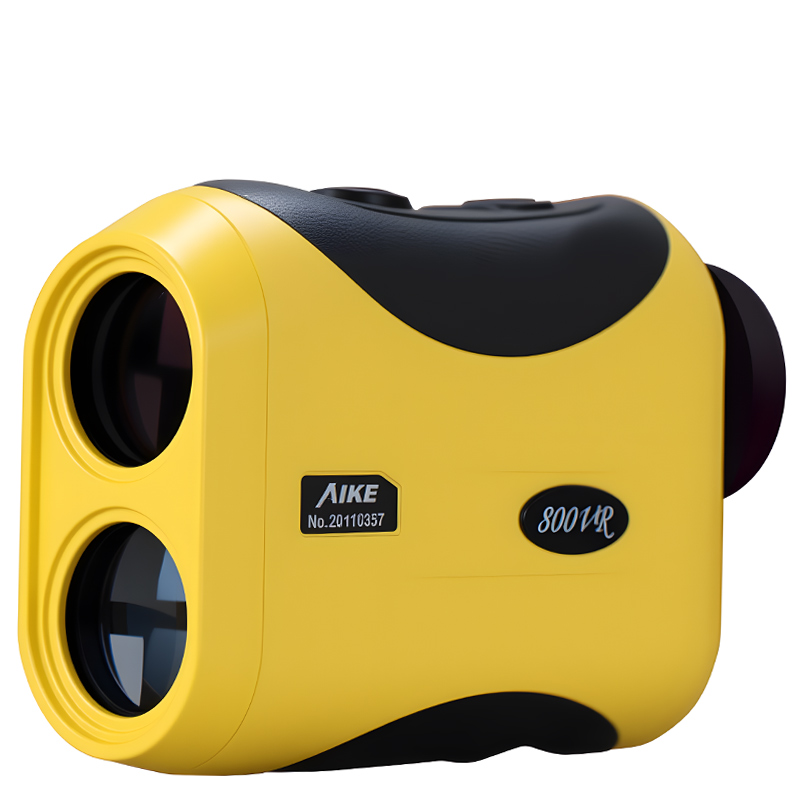
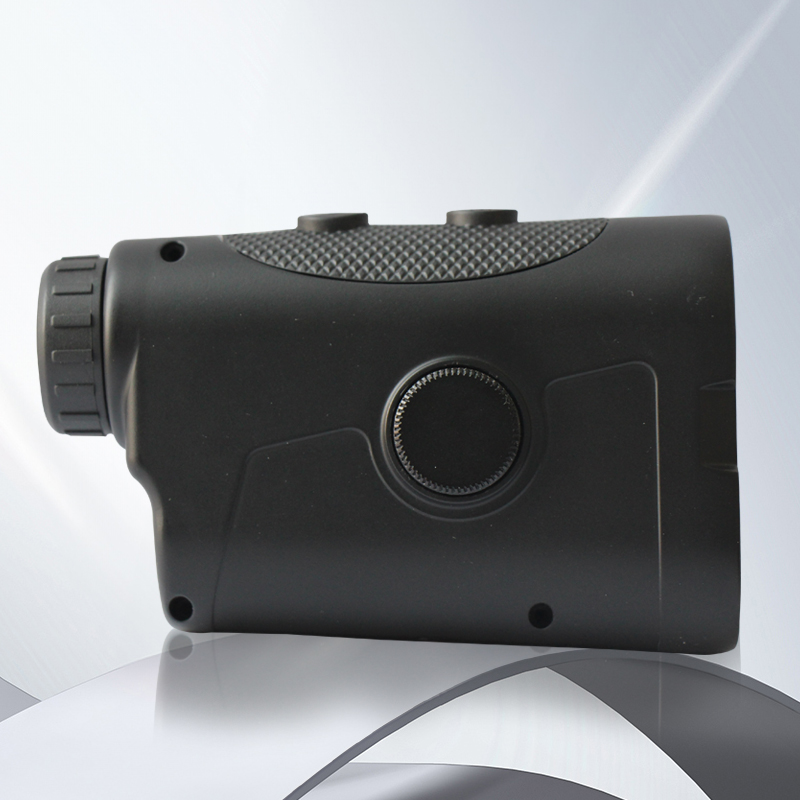
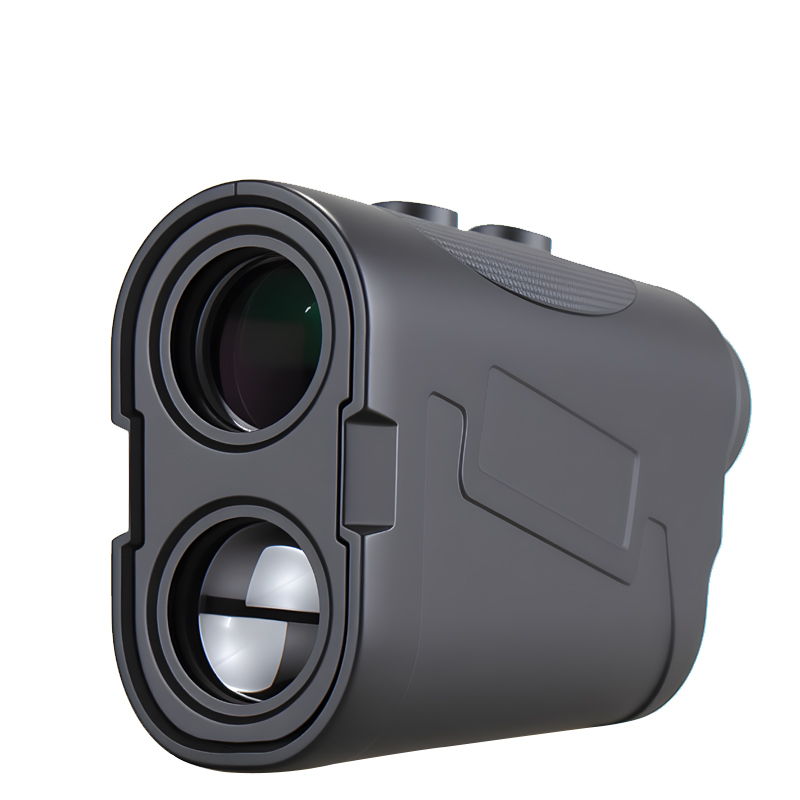
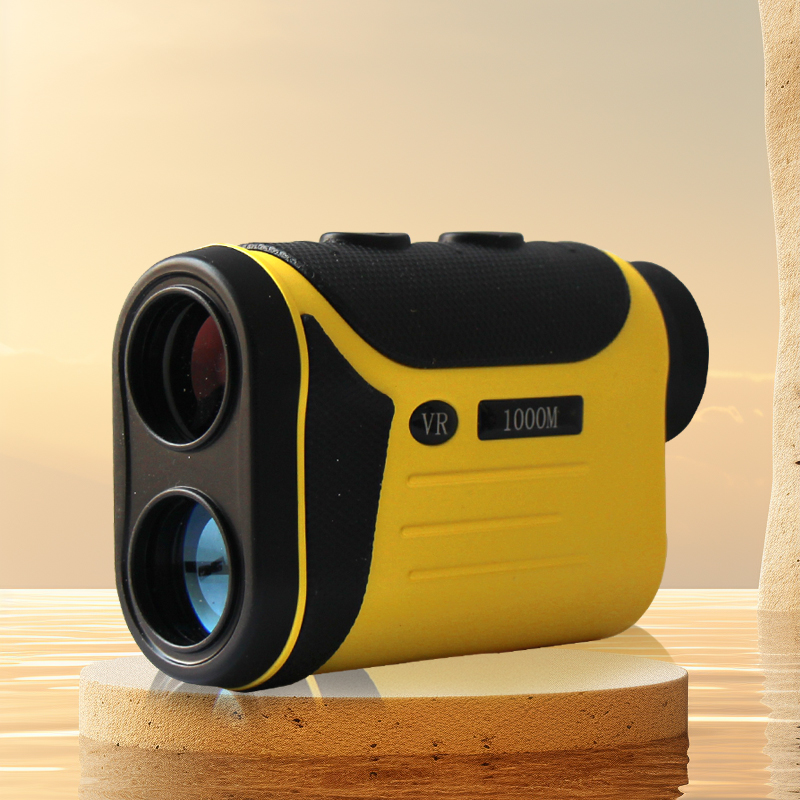
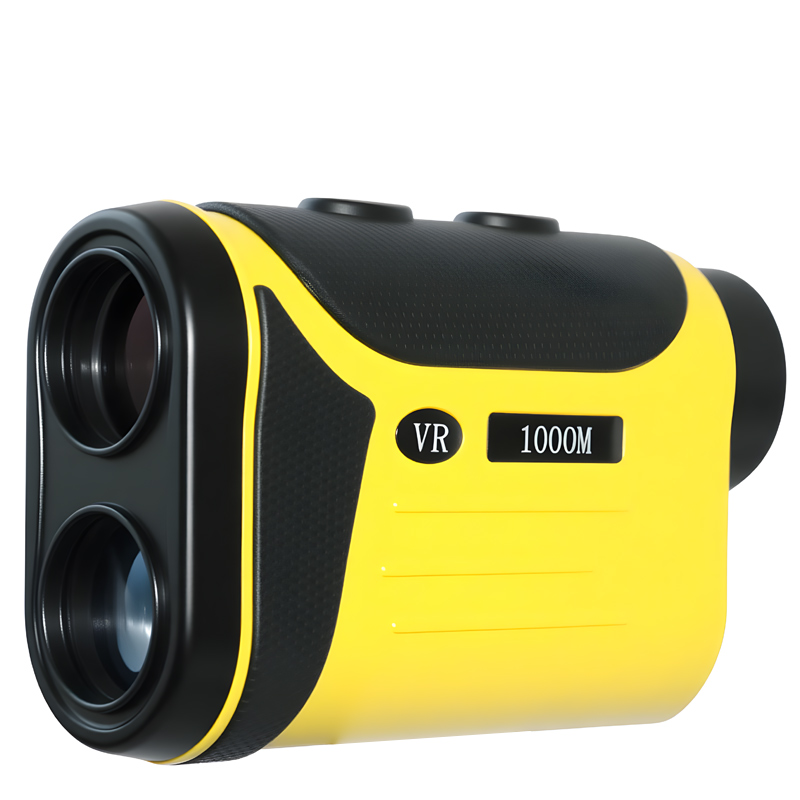
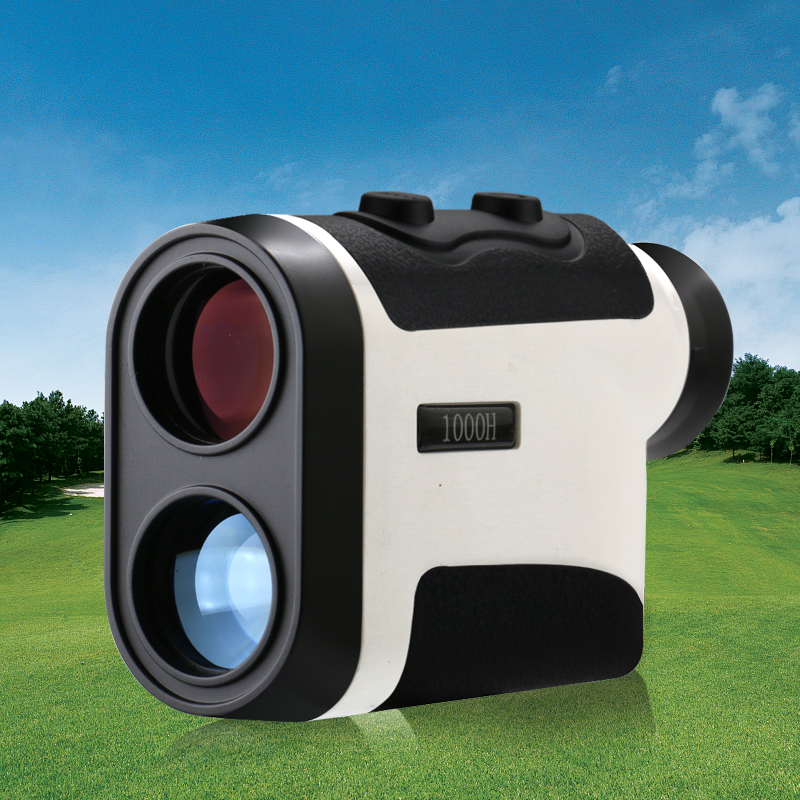
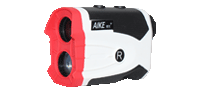
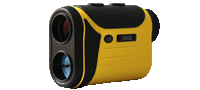
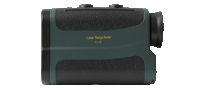
Tianjin Jianno Electronic Equipment Co., Ltd., founded in May 2018, is a research-driven technology company specializing in laser distance meters, gas detectors, ultrasonic cable height measuring instruments, and infrared thermometers.
ABOUT US

+
The company holds 100 innovative patents.
Domestic and foreign markets have over 70 sales outlets.
+
+
Electronic device testing and usage industry 30+
The company currently has 200 employees.
+
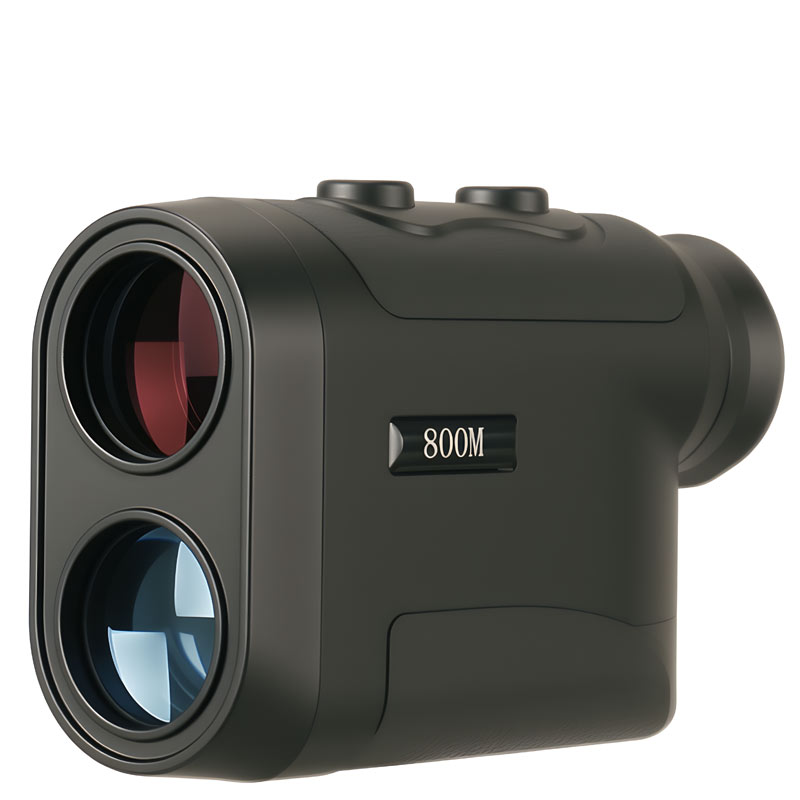
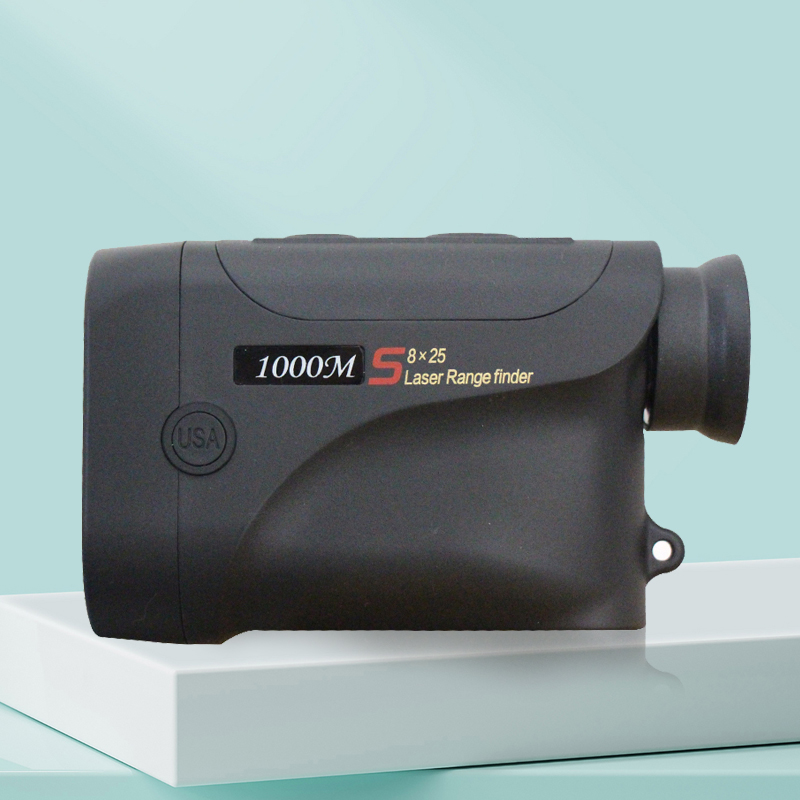
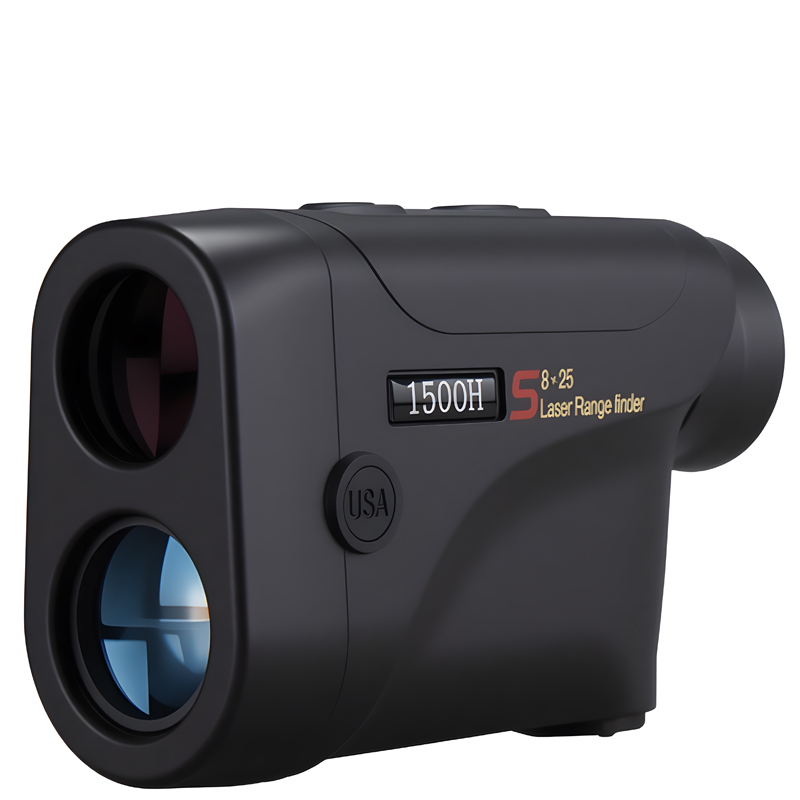
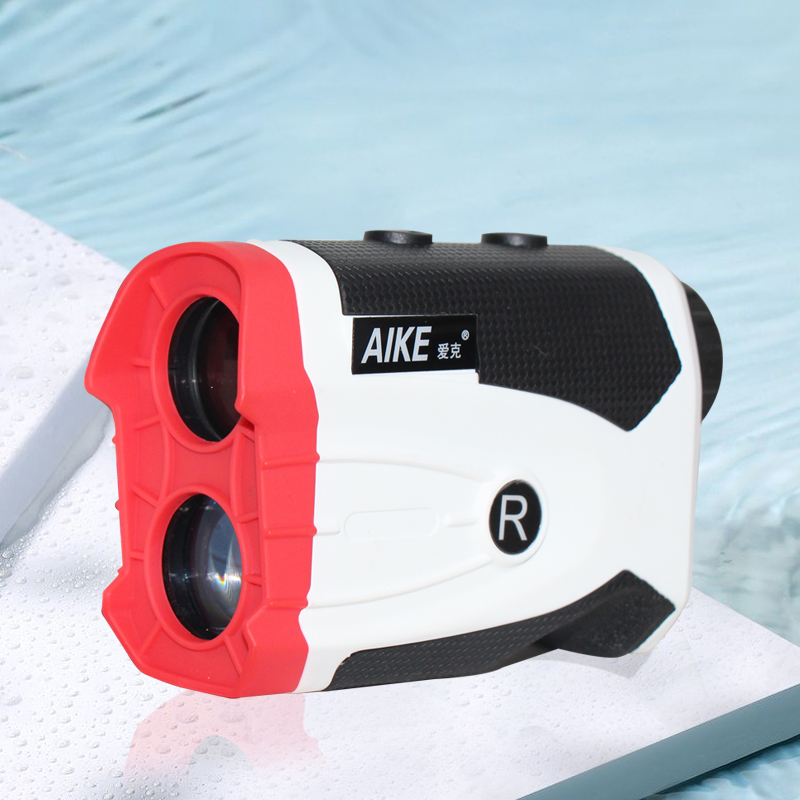
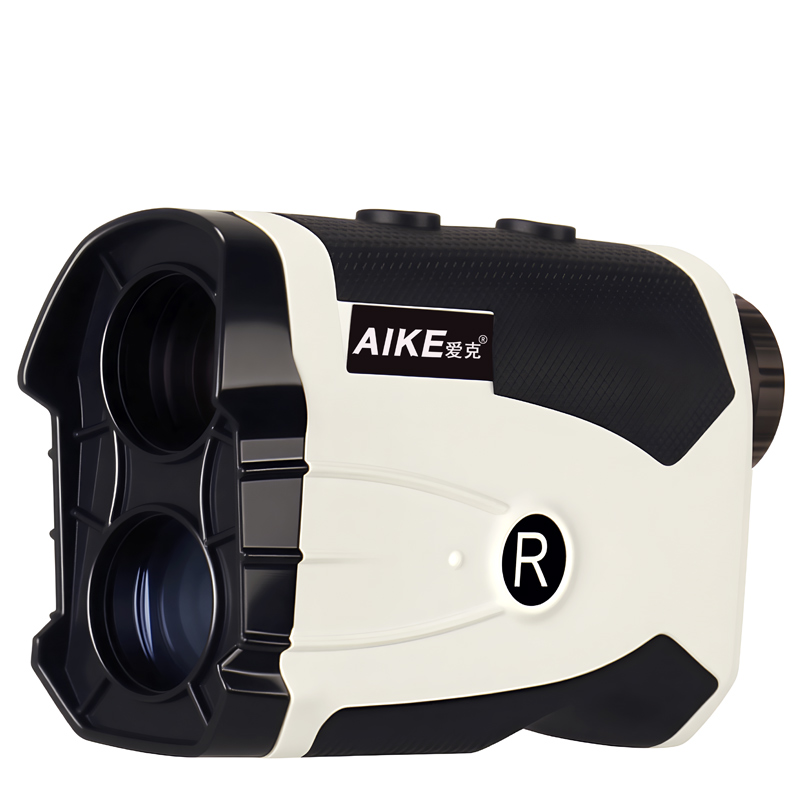
PRODUCTS
Products

Core Advantages
With 20 years of specialization in the manufacturing and R&D of electronic equipment, we serve industries worldwide and maintain partnerships with numerous large enterprises.
Creative Team

Our company employs a professional design team. Rich design experience and advanced design capabilities enable us to maintain a leading position in the industry.
Use Cases
CASE
Our company boasts a dedicated R&D team specializing in measuring instruments. With core technologies leading globally, we maintain enduring and mutually beneficial partnerships with distributors.
R&D Team

News
NEWS CENTER



Consult with our advisors now for any questions you'd like to know.
Our sales consultant will contact you immediately after you leave a
Corporate hotline is for your our are online now.
86-18920091109
86-18515580118
Contact online customer service
Official WeChat

You can also
Copyright © 2009 - 2014 Cld , All Rights Reserved
Tianjin Jianno Co., All Rights Reserved
Let's get closer, you can